
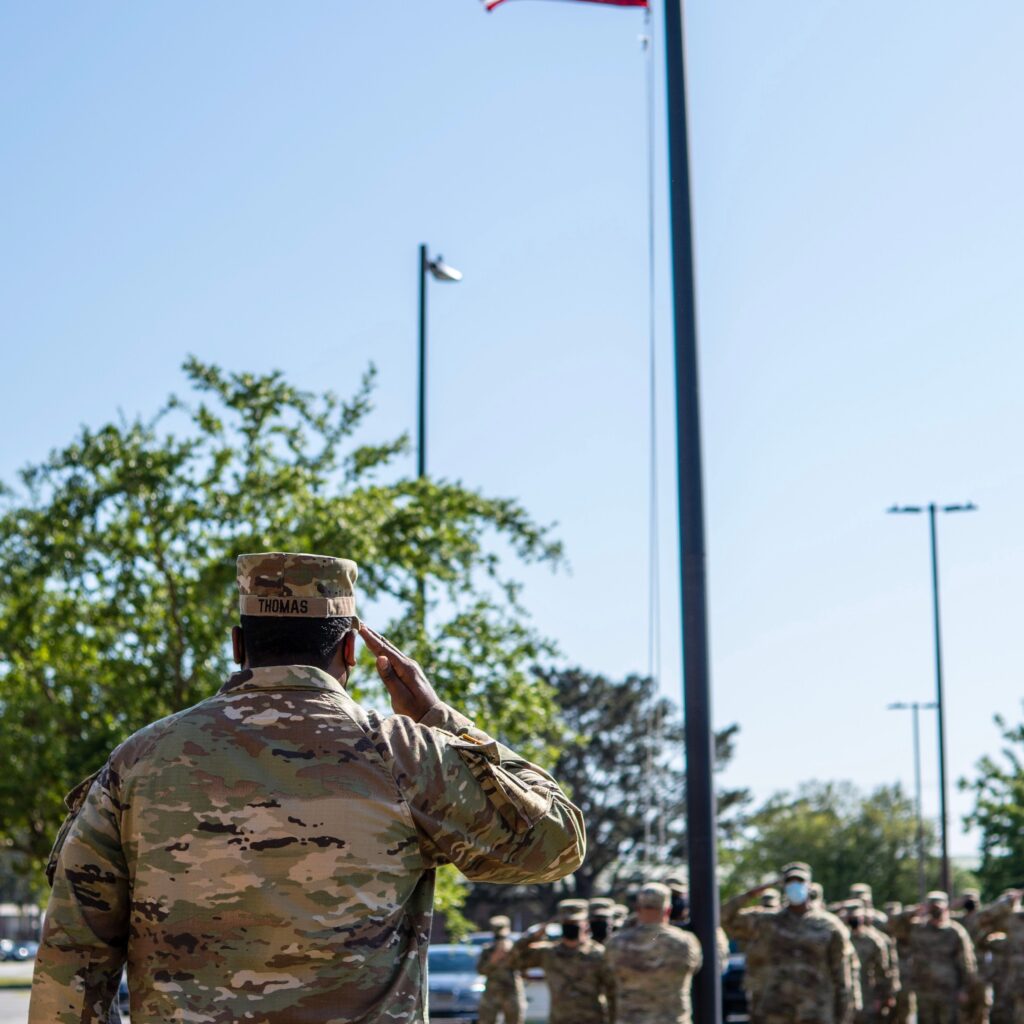
Throughout military history, training has always been based on discipline. The physical toll pushes human bodies to their absolute limits. Military training shifted from basic mass drills in World War II to specialized counter-insurgency in Vietnam, and finally to high-tech, data-driven preparation today.
Changes In Training
Established on June 14, 1775. The United States Army relied on early training methods that were disorganized, informal, and unstandardized. Because regiments lacked a common handbook, meaning every commander taught drills differently, initial training focused strictly on firing lines, often skipping essential movement and maneuver skills. European methods introduced standardized short, repetitive drills. Over time, different wartime eras did introduce new training tactics into the military. For example, World War II involved mass draft, quick physical boot camps, and basic rifle skills. This included jungle survival tactics, a guerrilla-combat focus, and rapid unit rotation in the Vietnam War. Today, according to Global Security, in modern operations using complex urban combat, joint-force coordination, and rapid data sharing.
In the modern battlefield, using new technology like live-fire ranges, paper maps, and physical obstacle courses. Virtual reality, computer screens, VR headgear, and safe digital battle recreations. Letting troops practice rare dangers safely before going into real fields.
Modern Training And Warfare
Fitness standards moved from simple push-ups to data-backed injury prevention and modern baseline tests. Mental health was ignored in past wars, but now the army includes stress awareness, peer support, and resilience coaching. Leadership styles changed from strict, loud orders to shared problem-solving and trust while maintaining formality. Most importantly, opening all roles to women and minorities changed team communication and respect rules.
Now, with new digital skills, network defense, and teamwork, the army is more unified and secure. New training schools teach soldiers how to stop computer hacks and data leaks. Troops learn to protect live weapon systems from remote cyber attacks. According to the U.S. Army, “Trust is the bedrock of our profession… It is trust amongst peers that ensures we survive and win.” Remembering that bravery, personal duty, and strict discipline remain vital in the Army’s core values.
Military training looks very different today than it did back then. Its ultimate goal remains the same: to prepare soldiers to work together and succeed in protecting America.
To learn more, visit Ferry Godmother Productions!