
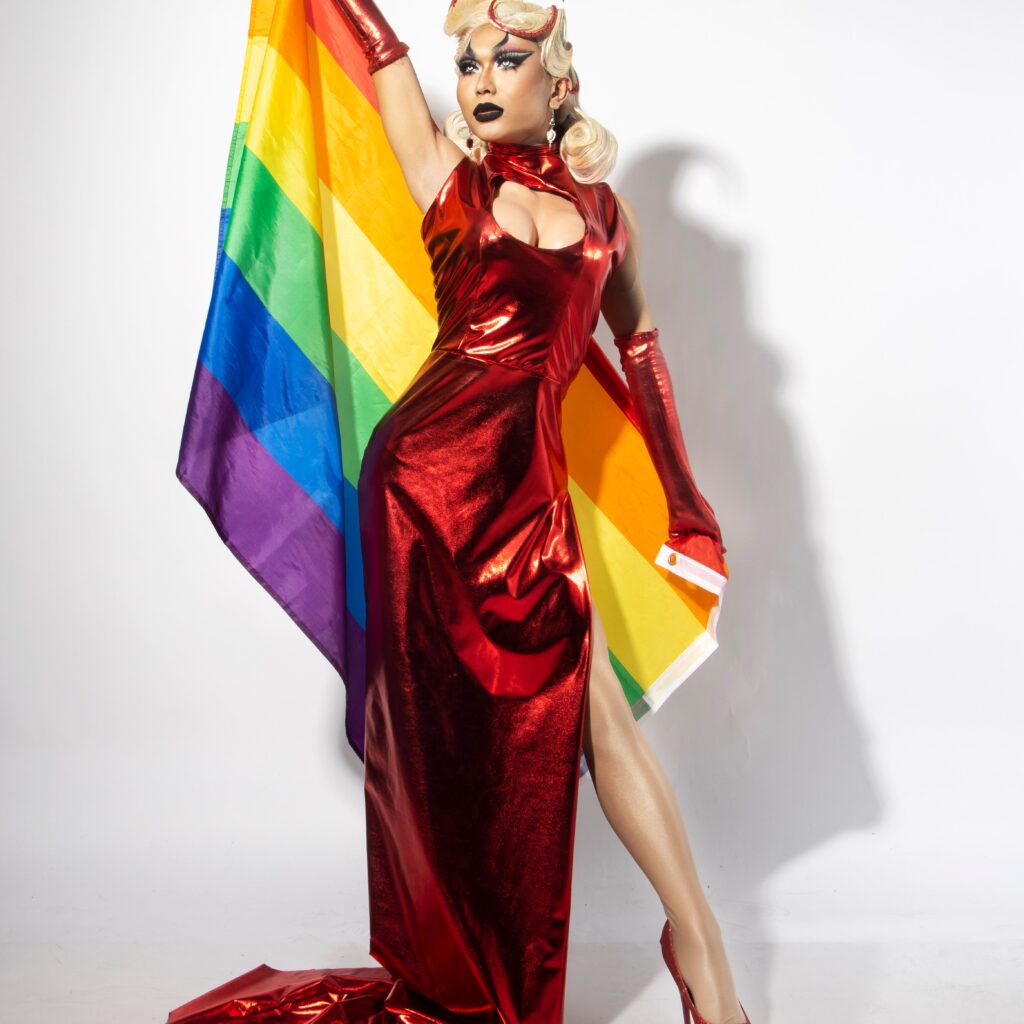
Drag functions historically as a performance art that uses costumes, makeup, and theatrical exaggeration to “critique gender inequalities and imagine a transformational future where people are truly free in how they express themselves”. Far from simple entertainment, drag has deep roots in underground survival, social protest, and political resistance against strict gender policing, racial segregation, and systemic persecution.
Origins Of The Drag Community
Modern drag ball culture traces back to the 19th century. Early theatrical cross-dressing traditions were shown in vaudeville shows and underground queer spaces like the 1920s “Pansy Craze” and Harlem’s pioneering 19th-century drag balls. William Dorsey Swann, a formerly enslaved Black man, hosted private gatherings in Washington, D.C., where he performed in feminine attire. Arrested multiple times, Swann famously declared during a police raid: “You was no gentleman sir I am a drag queen”. His defense efforts and the community he formed at home mark one of the earliest recorded instances of organized LGBTQ+ resistance.
In major cities, events like Harlem’s Hamilton Lodge drag balls grew into massive underground gatherings. Historian George Chauncey noted that in a hostile world, the balls confirmed community numbers and served as places where “the gay world saw itself, celebrated itself, and affirmed itself”. According to HistoryHit, mainstream and early integrated drag spaces often favored white contestants or enforced strict class and racial biases. As a result, Black and Latino queer and transgender individuals created the house ball culture and independent drag houses—such as Crystal LaBeija’s House of LaBeija—to build surrogate families and secure safe spaces.
Drag As Political Resistance
Drag systematically subverts binary ideas of masculinity and femininity by turning gender presentation into an intentional, visible choice rather than an absolute biological mandate. Performers weaponize humor, high camp, and exaggeration to mock rigid societal hierarchies and cultural conformity. Through platforms like documentaries and television franchises (such as RuPaul’s Drag Race), drag has transitioned from heavily policed underground secrecy into global pop culture. While this mainstream visibility brings broader acceptance and financial opportunities, it also risks commercial sanitization.
Drag queens, transgender women, and gender-nonconforming individuals were at the forefront of the physical resistance against the police raid at the Stonewall Inn. The Stonewall uprising was a series of spontaneous, violent demonstrations by members of the LGBTQ+ community against a police raid in 1969.
Marsha P. Johnson and Sylvia Rivera were pioneering transgender women of color, prominent gay liberation and civil rights activists who helped establish the respect of the transgender community. Despite their foundational role in sparking the modern movement, prominent activists like Marsha P. Johnson and Sylvia Rivera faced marginalization from mainstream, predominantly white gay rights organizations. When excluded or told to march at the back of the 1973 New York City Pride march, Johnson and Rivera defiantly marched ahead of the official procession. According to Smithsonian, Rivera and Johnson also co-founded STAR (Street Transvestite Action Revolutionaries), creating housing and radical mutual aid support for homeless queer and trans youth of color.
Amid renewed legislative attacks and political debates over LGBTQ+ visibility, modern drag performers continue to utilize their platforms for political fundraising, community defense, and public advocacy, proving that the art form remains tightly bound to its legacy of protest.
To learn more, visit Ferry Godmother Productions!