
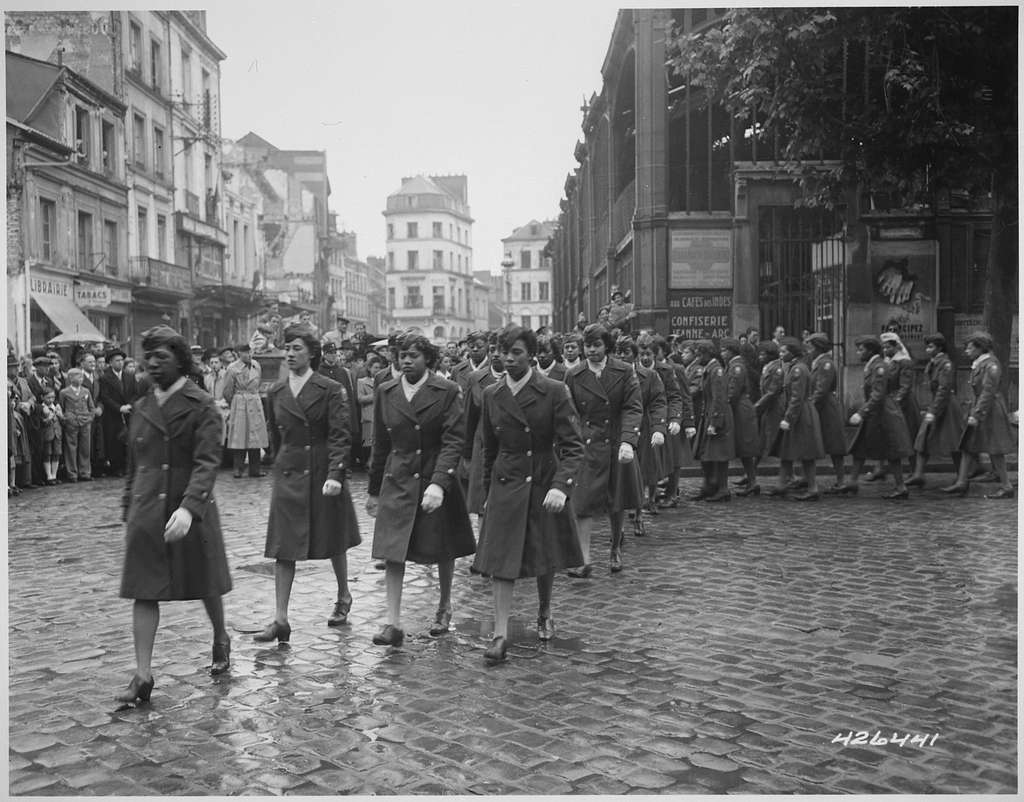
If victory in war is built on more than the battlefield, then it was women who helped hold the line.
During World War II, more than 150,000 women served in the Women’s Army Corps (WAC), assuming roles once considered impossible for women. From communications to logistics, they didn’t just support the war—they helped win it. So why don’t most history books say so?
Women Behind the Front Lines
Established in 1942 as the Women’s Army Auxiliary Corps (WAAC) and formally made part of the U.S. Army in 1943, the WAC was a groundbreaking step in military inclusion. Women in the WAC served as soldiers with rank, responsibility, and discipline. By the end of the war, they were performing over 200 types of essential military jobs. This included vital work in communications, intelligence, and logistics—three pillars of the Allied war strategy.
In communications, WACs operated telephone switchboards, transmitted radio messages, and handled sensitive communications at General Eisenhower’s European headquarters. Their speed and precision kept the U.S. military connected across continents. In intelligence, they deciphered enemy messages and tracked troop movements. Women at Arlington Hall played a key role in breaking enemy codes, and in overseas postings, they gathered critical data—sometimes just miles from active combat.
Their logistics work was equally vital. From processing orders to maintaining equipment and managing mail delivery, WACs powered the machinery behind military success. The 6888th Central Postal Directory Battalion, the first all-Black WAC unit, sorted more than 17 million pieces of mail under extreme conditions, boosting morale and breaking barriers.
Breaking Barriers, Not Just Records
Despite their impact, many WACs returned home without public recognition. Policies at the time even forced many to leave the Army upon marriage or pregnancy. Yet their efforts paved the way for future generations of women in uniform. General Dwight D. Eisenhower said it best: “Without the women of the WACs, the war effort would have ground to a halt.”
Their service was in every battle plan, every decoded message, and every convoy. While they didn’t make the headlines, they made history.
Their Legacy Lives On
WACs wore more than uniforms—they bore the weight of expectations and defied societal norms. Their story is preserved today in places like the River Art Emporium, a 3D virtual reality gallery inside the Ferry Godmother Roller Rink. It honors veterans like Ramona Torres, who served in the last cycle of the WAC. This inclusive event space ensures that their contributions are remembered and celebrated, regardless of physical, mental, or geographic barriers.
Let’s honor the women who powered victory—on and off the battlefield.