
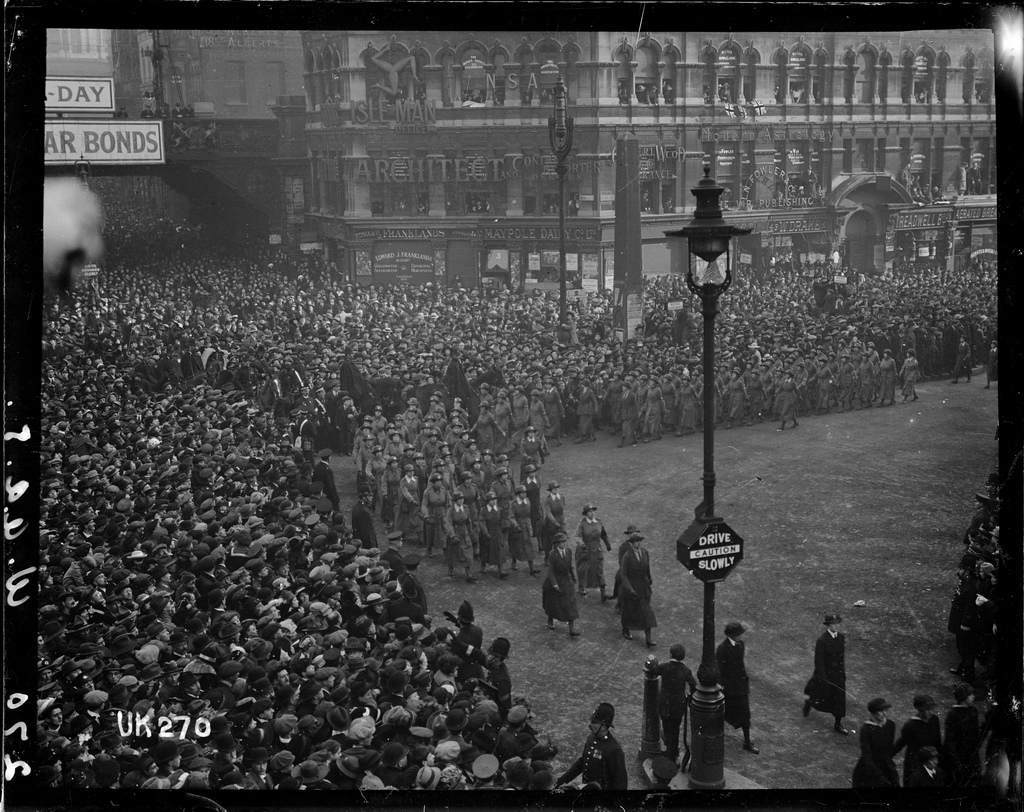
What happens when a country at war finally realizes it needs more hands—and discovers half its population is ready to serve? In 1943, the United States answered that question by transforming the Women’s Army Auxiliary Corps (WAAC) into the fully integrated Women’s Army Corps (WAC). This marked a turning point in military history, as it empowered women to serve as soldiers, not just support staff.
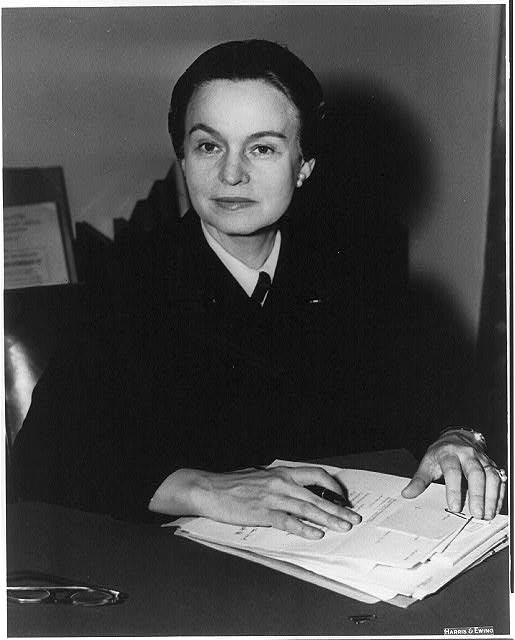
Oveta Culp Hobby: The Force Behind the Forces
Oveta Culp Hobby, a lawyer and editor from Texas, became the first director of the WAAC in 1942 and led the transition to the WAC. She famously reminded her recruits, “You are not being trained to be women, you are being trained to be soldiers” (U.S. Army Center of Military History). Her leadership helped shape an organization built on excellence, professionalism, and a deep sense of patriotic service.
A Formal Shift in Uniform and Status
The WAAC, created by Congress in May 1942, was groundbreaking, but it had serious limitations. Though women wore uniforms and performed military jobs, they were not considered official members of the Army. This meant lower pay, no veterans’ benefits, and no legal protections under military law.
That changed on July 1, 1943, when President Franklin D. Roosevelt signed legislation converting the WAAC into the Women’s Army Corps, granting women full Army status. This included equal pay for equal rank, military life insurance, and access to benefits. The U.S. Air Force History Office confirms this critical transition as a major milestone in women’s military service.
What the Women’s Army Corps Actually Did
Once fully integrated, WAC members served in over 200 job categories, including clerks, switchboard operators, mechanics, cryptographers, weather observers, medical technicians, and intelligence specialists. They deployed not only across the United States but also to North Africa, Europe, and the Pacific, serving wherever needed.
General Dwight D. Eisenhower acknowledged their value, stating, “The women’s corps is not an experiment. It is a real, living part of the Army.” Their roles were indispensable in keeping military operations running during World War II.
A Lasting Legacy
The Women’s Army Corps was formally disbanded in 1978 when women were fully integrated into the regular Army. But its legacy lives on in every woman who serves today. The WAC showed that service, discipline, and patriotism know no gender. It also helped pave the way for policy changes that have allowed women to take on combat and leadership roles in modern military service.
Her Duty, Our History
When duty called their names, these women didn’t hesitate. By creating the Women’s Army Corps, they transformed service into equality and duty into a lasting legacy. Their story is not just a chapter in military history—it’s a reminder that every soldier’s contribution deserves to be seen, respected, and remembered.
For more veteran articles, visit Ferry Godmother Productions!