
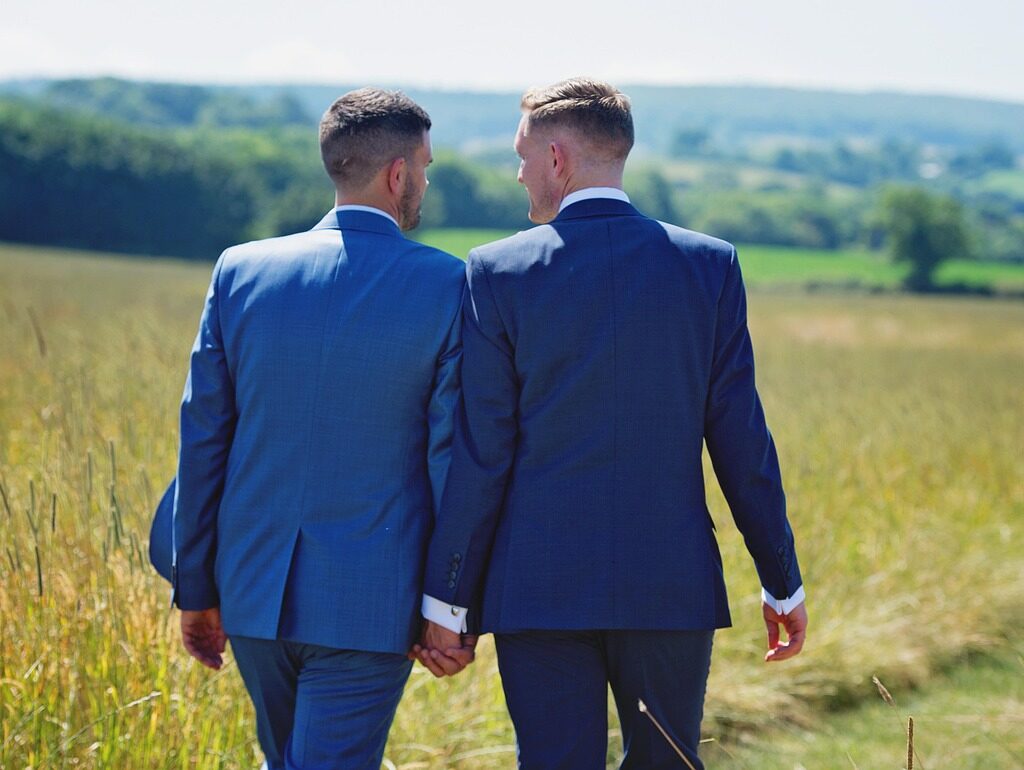
Family and adoption rights remain one of the biggest struggles queer families face today. Even when love and commitment are clear, the law often lags behind. Many families find themselves fighting for recognition while trying to provide stable, nurturing homes.
Understanding the Stakes
For queer families, forming a family is about love, safety, and the future. Legal recognition protects parents and children alike. It matters for hospital visits, inheritance, and decision-making in emergencies. Yet adoption laws vary widely. In the United States, protections differ significantly by state, and some agencies can deny queer couples based on religious exemptions (Williams Institute).
What Research Tells Us
Scientific studies consistently show that children raised by LGBTQ+ parents thrive. A 2023 study reported by The Guardian found that children of same-sex couples fare “just as well, if not better, than those of heterosexual couples” (The Guardian). Another meta-analysis published in 2024 found that children of gay fathers scored within healthy ranges of psychological adjustment and even higher on some measures of well-being (Springer Link). These findings show that adoption barriers are not about protecting children—they are about limiting families.
Laws That Protect—and Where Gaps Remain
Many countries, including the UK and Canada, provide equal adoption rights for queer families. Germany and Australia also recognize same-sex adoption, though local variations exist. In the U.S., protections are inconsistent, and religious exemptions in some states pose real barriers (Williams Institute). This uneven system means that queer adoption rights often depend more on where you live than on what is fair.
Conclusion
Every child deserves the security of a legally recognized, loving home. Queer adoption rights matter not just in theory but in daily life—school forms, healthcare, and emergencies. By learning your rights, connecting with advocacy groups, and raising awareness, you help build a future where every family stands equal. To keep learning and connecting with inclusive communities, visit Ferry Godmother and explore our blog.