
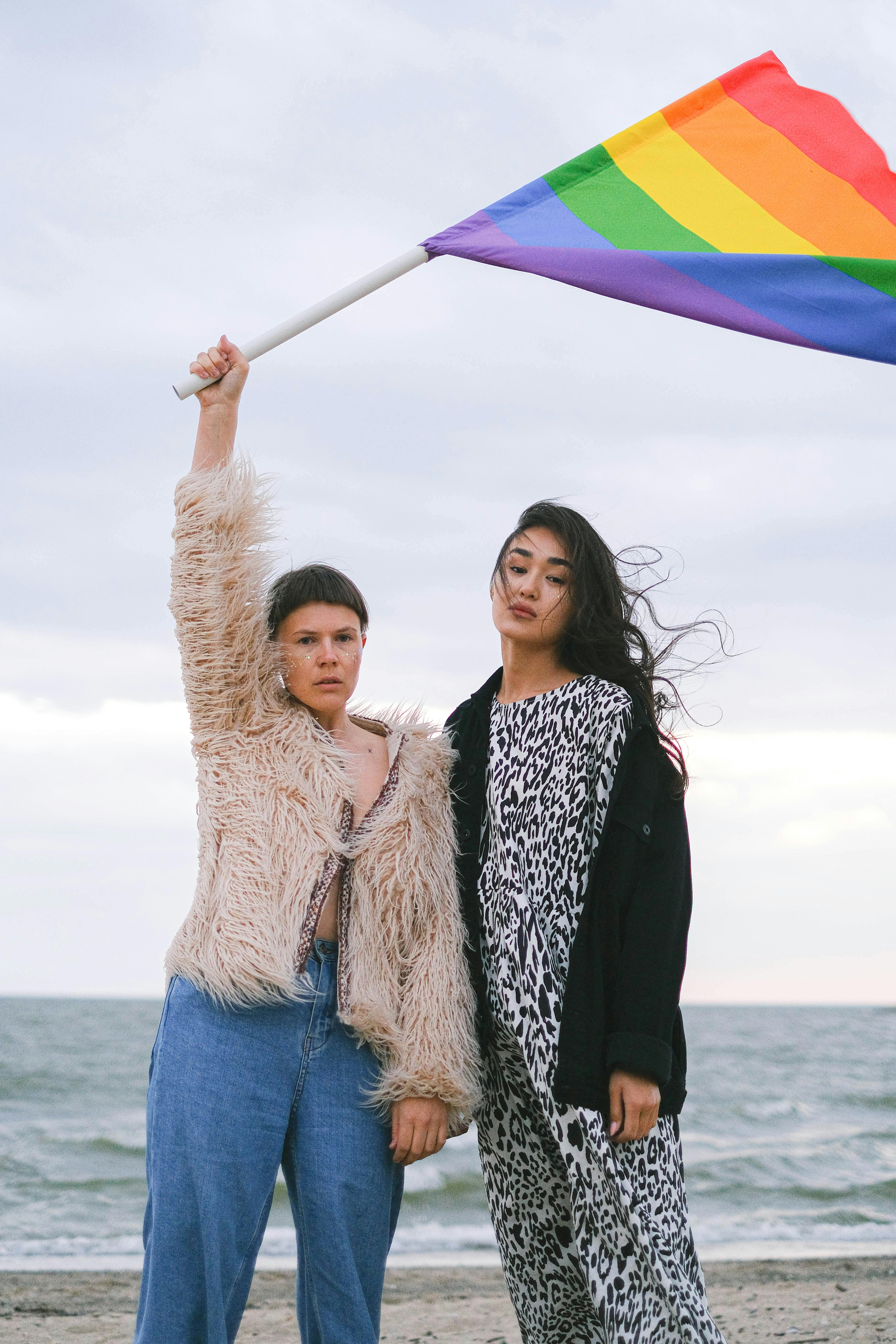
What if identity isn’t fixed but fluid? Many in Generation Z are reshaping gender and sexuality, moving beyond traditional labels. This shift challenges long-standing norms, opens up new avenues for self-expression, and prompts society to rethink authenticity.
A 2022 survey by The Trevor Project found that LGBTQ youth were far more likely to identify outside traditional categories compared to older generations. The report highlighted that many described themselves as bisexual, pansexual, queer, or questioning, showing a move toward fluid identity.
Embracing Fluidity Over Fixed Labels
Gen Z often prefers broad, flexible terms over rigid ones. Words like “queer,” “pansexual,” and “fluid” allow nuanced identity expression. In the Trevor Project’s data, nearly one in four LGBTQ youth identified as nonbinary, reflecting wider acceptance of diverse labels (Trevor Project).
Gender as a Spectrum, Not a Binary
For many young people, gender exists on a spectrum. Terms such as “nonbinary” or “agender” describe identities that fall beyond the binary categories of male or female. A 2023 GLSEN report showed schools with inclusive policies experienced significantly less harassment toward gender-diverse students. Recognition and support clearly make a difference.
Digital Platforms as Catalysts for Change
Social media platforms like TikTok, Instagram, and Discord give Gen Z space to explore identity and connect worldwide. Research indicates that online communities facilitate youth access to resources on pronouns, gender-affirming care, and peer support (Pew Research Center). These platforms also amplify visibility through hashtags and shared stories.
Physical and Virtual Spaces Adapting
Organizations now build spaces that mirror Gen Z’s openness. Ferry Godmother Productions develops immersive VR worlds designed for inclusivity and safety. The Ferry Godmother Roller Rink blends nostalgic skating with modern community, proving physical and virtual spaces can both honor tradition and embrace fluid identity.
Intersectionality in Identity
Gen Z also approaches identity through an intersectional lens. Race, class, disability, and culture intersect with gender and sexuality. Research from The Williams Institute at UCLA shows LGBTQ youth of color often face overlapping systems of discrimination, yet they also create spaces for resilience and community.
Education and Activism
Education and activism remain central to this shift. Gen Z advocates push for inclusive curricula that cover LGBTQ+ history and comprehensive sexual health. Groups like Gender and Sexualities Alliances (GSAs) provide peer support and advocacy, helping reduce harassment and foster belonging (GLSEN).
A Fluid Future Ahead
Gen Z is not only redefining themselves—they are reshaping cultural norms. By embracing fluid identity, they model a society rooted in authenticity and inclusivity. Identity is not a box but a spectrum, and the future of self-expression looks as fluid as Gen Z imagines it.