
Introduction
Activism is prevalent in our society. People often advocate for change through protests, social media, petitions, etc. A common medium for activism is art. Art takes many forms, and some feature political or social messages. These messages can sometimes have more of an impact or reach a wider audience than other forms of advocacy.
Keep reading to find out more about art and activism.
What is Activist Art?
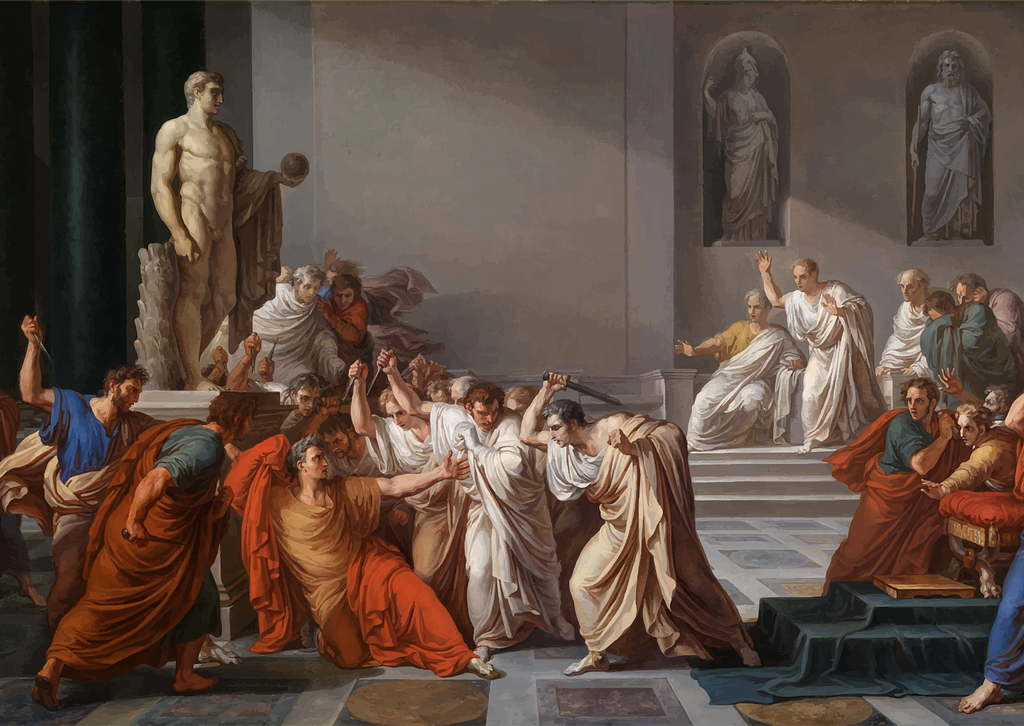
Finding creative ways to advocate for change can be instrumental in ensuring that change happens. The combination of activism and art is a great way to do so. According to Tate, a spokesperson of Tatef museums in the UK, activist art is defined as “art that is grounded in the act of ‘doing’ and addresses political or social issues.” This type of art has taken on many forms, including paintings, murals, sculptures, photography, and poetry. Anyone can create activist art.
History of Activist Art
Many examples of activist art can be seen on display in museums or streets. Typically, museums house art from critical historical points, like the Vietnam War or World War II. There are also plenty of activist art pieces about long-standing social issues like abortion and racism.
Art that functions as a protest has been around for most of history. However, the number of artists who use art to promote a social or political message has increased in recent years. As more social issues and politics are addressed by the public, more artists have shared pieces that push their ideas.
How Activist Art is Impactful
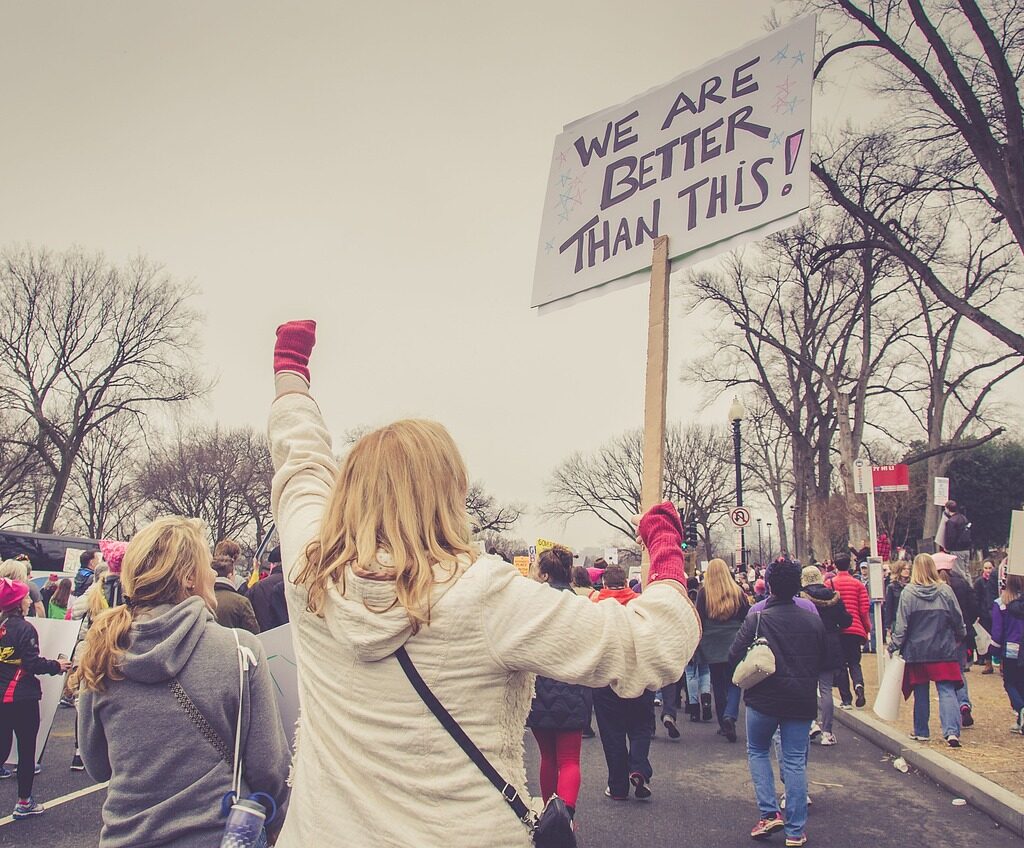
Advocating for change is essential, and art provides a non-violent and creative outlet. Activism through art can provide alternate perspectives on social and political issues. This, in turn, helps spread an artist’s message and allows for a visual understanding of the effects of such issues on society.
However, some activist art can become censored or outright banned. The Collector, a news source for all things art, provides an example of this, citing the French government’s ban on Jacques-Louis David’s The Lictors Bring to Brutus the Bodies of His Sons. Artists can receive praise and recognition for their activist art but also be faced with disapproval or chastisement.
Conclusion
Many people turn to art when it comes to activism. Art can be an innovative and effective means of relaying an idea to a wider audience. Art often catches the attention of others more than other means of protest, highlighting the impact of activist art. Social and political movements have been exceedingly present throughout history, and activist art can make all the difference for some.
To read more about art and news, visit ferrygodmother.com/.