
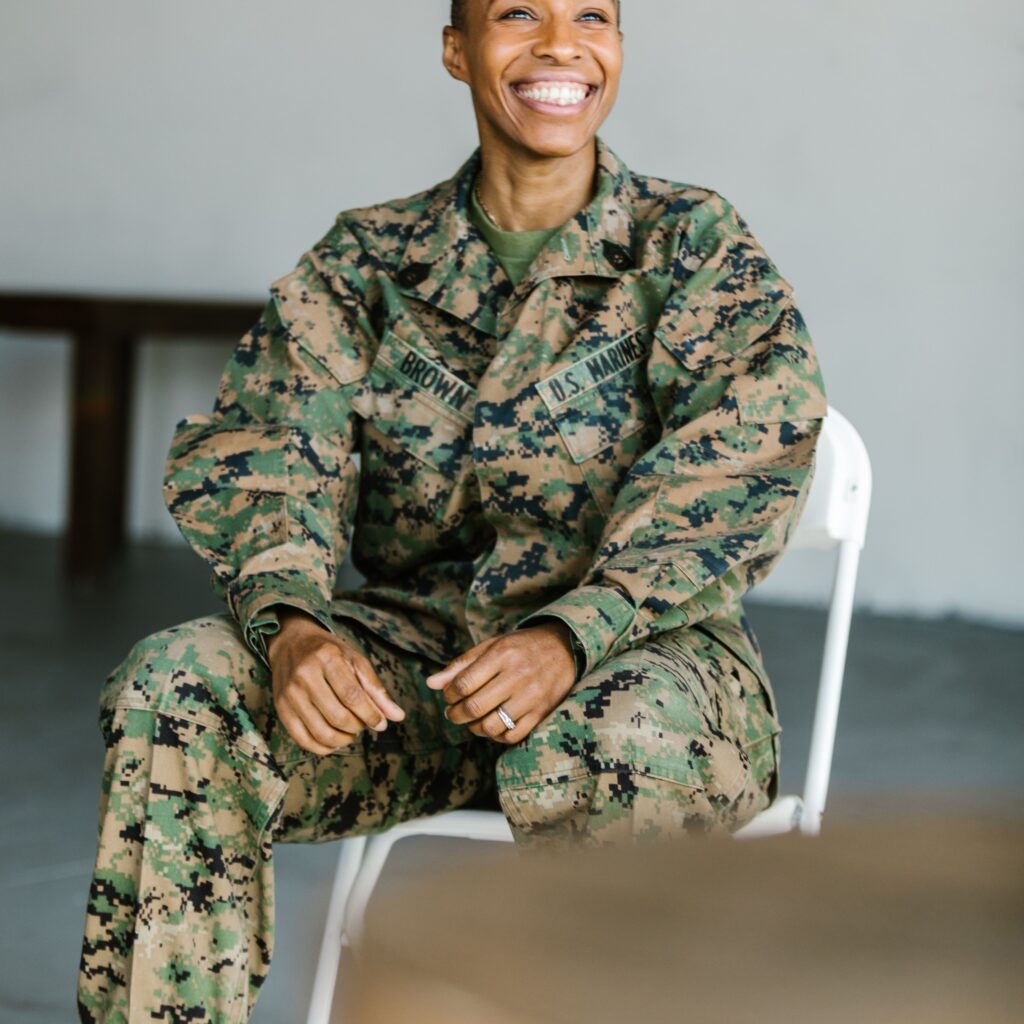
The Women’s Army Corps has left a long-lasting impact on the Armed Forces today. The primary mission of the Women’s Army Corps (WAC) during World War II was to free up men for combat by filling essential support roles like clerical work, communications, and mechanical repair. Having to train and face obstacles that made women in WAC a strong symbol of what America stands for.
Training and Job Skills
The core curriculum of WAC training involved close-order drills, military customs and courtesies, organization of the Army, map reading, first aid, supply and mess management, and safeguarding military information. Intensive conditioning and orientation typically lasted from 4 to 8 weeks. The WAC had basic, specialized, and secretarial tasks. According to the U.S Army Center of Military History, secretarial tasks consisted of fast typing, shorthand proficiency, and decoding secret messages. Women had specialized jobs like radio operating, parachute rigging, and aircraft maintenance. When first formed, recruits were initially trained in three primary core specialties based on competence and aptitude:
Telephone switchboard operators: Managed vital military communications; operated manual switchboards to route incoming, outgoing, and interoffice messages. Required fast dexterity, clear communication, and often bilingual skills or prior civilian telephone experience.
Mechanics: Maintained and repaired military motor vehicles and transport equipment. Kept Army logistics moving by servicing trucks, jeeps, and other motorized units essential to daily operations.
Bakers: Prepared daily rations and baked bread and food items to feed troops stationed at training camps and military bases.
Challenges and Lasting Impact
According to the Women’s Army Corps, women served overseas across Europe, the Pacific, and North Africa. They processed supply requisitions, postal mail, and ballistics data. They also managed vital telephone switchboards for military units.
Faced with bias, women had to overcome public skepticism and racial segregation through strict professionalism. They had to learn valuable skills in precise time management, personal discipline, and collaborative teamwork. Paving the way for permanent gender integration in the armed forces.
The Women’s Army Corps showed that strong service and good leadership helped pave the way for lasting equality.
To learn more, visit Ferry Godmother Productions!