When a soldier returns home, the battle does not always end at the airport gate. For many, the struggle continues inside their mind and heart. Invisible wounds like anxiety, depression, and post-traumatic stress disorder (PTSD) can follow them home. One form of support that continues to grow is creative arts therapy. This approach uses painting, music, writing, and dance to help veterans express emotion and begin to heal.
Creative Arts Therapy in Action
The U.S. Department of Veterans Affairs reports that almost 100 VA centers offer creative arts therapy programs. These programs use art, music, drama, and dance to support mental health treatment. According to the National Endowment for the Arts, more than 1.2 million veterans live with PTSD. About 20 veterans die by suicide each day. Because of this, the military and mental health experts continue to explore evidence-based treatments beyond medication.
Furthermore, research from Drexel University found that 45 minutes of creative activity can lower cortisol, the stress hormone. In music and art programs at Walter Reed National Military Medical Center, veterans reported lower anxiety and stronger emotional balance. As a result, the Department of Defense expanded its partnership with the NEA through the Creative Forces: NEA Military Healing Arts Network. Today, this program supports clinics across the country.
Healing Beyond Words
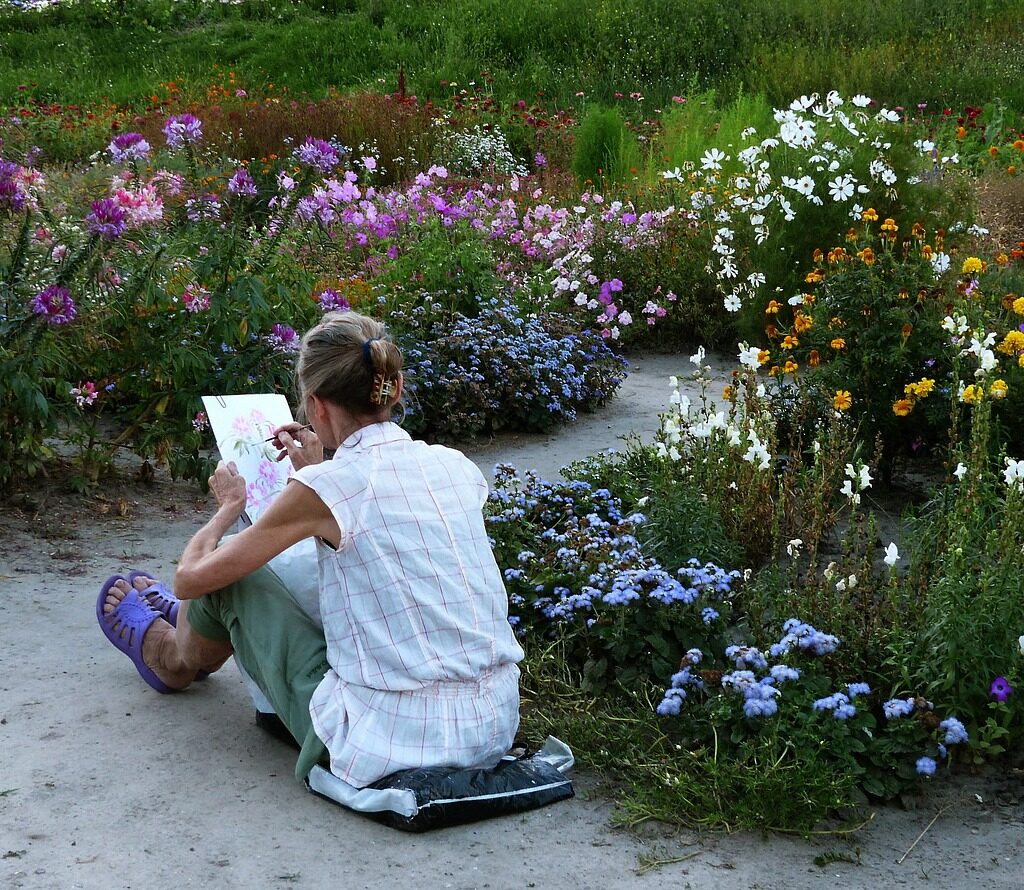
For many veterans, creative expression opens a new path to recovery. A veteran who cannot describe trauma may find relief through painting or sculpture. Others may write or dance to release tension. Each creative act transforms pain into communication. It builds connection and helps reduce feelings of isolation.
One Marine veteran explained, “Art gave me a way to speak without words. It let me put the war on paper and leave some of it there.” Studies show that creative expression activates brain regions tied to emotion and memory (American Psychological Association). These activities help people process trauma in safe, healthy ways. Through art, veterans can reshape their stories and rebuild confidence.
Community and Connection Through Creative Arts Therapy
Healing grows stronger when shared with others. As the military focuses more on whole-person health, art-based programs now blend therapy, teamwork, and creativity. For example, mural projects in hospitals or songwriting groups for grieving veterans help restore connection. These spaces encourage purpose, identity, and hope. They remind participants that no one heals alone.
Creative arts programs are not only about painting or music. They also nurture belonging and courage. Each piece of art, song, or performance offers proof of progress. When communities invest in inclusive art spaces, they give veterans new ways to find peace.
Reflection from the Fairy Godmother
My dear friends, healing does not always arrive as medicine. Sometimes, it comes wrapped in melody, color, and movement. Every brush dipped in paint and every note sung is an act of courage. When our service members create art, they are not only healing themselves. They are teaching us all how to face pain with beauty. Let us keep the canvas open, the stage lit, and the music playing. Within art lies the strength to turn wounds into light.
To learn more about creative arts therapy and how it supports veterans and communities, visit ferrygodmother.com/rink and explore the healing power of art.