Could your next nonprofit retreat truly include everyone—regardless of location, mobility, or sensory difference? In a digital-first era, inclusive VR nonprofit retreats provide a powerful solution for equitable and immersive participation.
Many nonprofits are increasingly integrating digital tools into their outreach and programming. Virtual reality (VR) enables retreats that participants can access via desktop, mobile devices, or headsets—offering fully immersive environments where people can engage regardless of physical or geographic limitations.
Why Inclusive VR Nonprofit Retreats Work
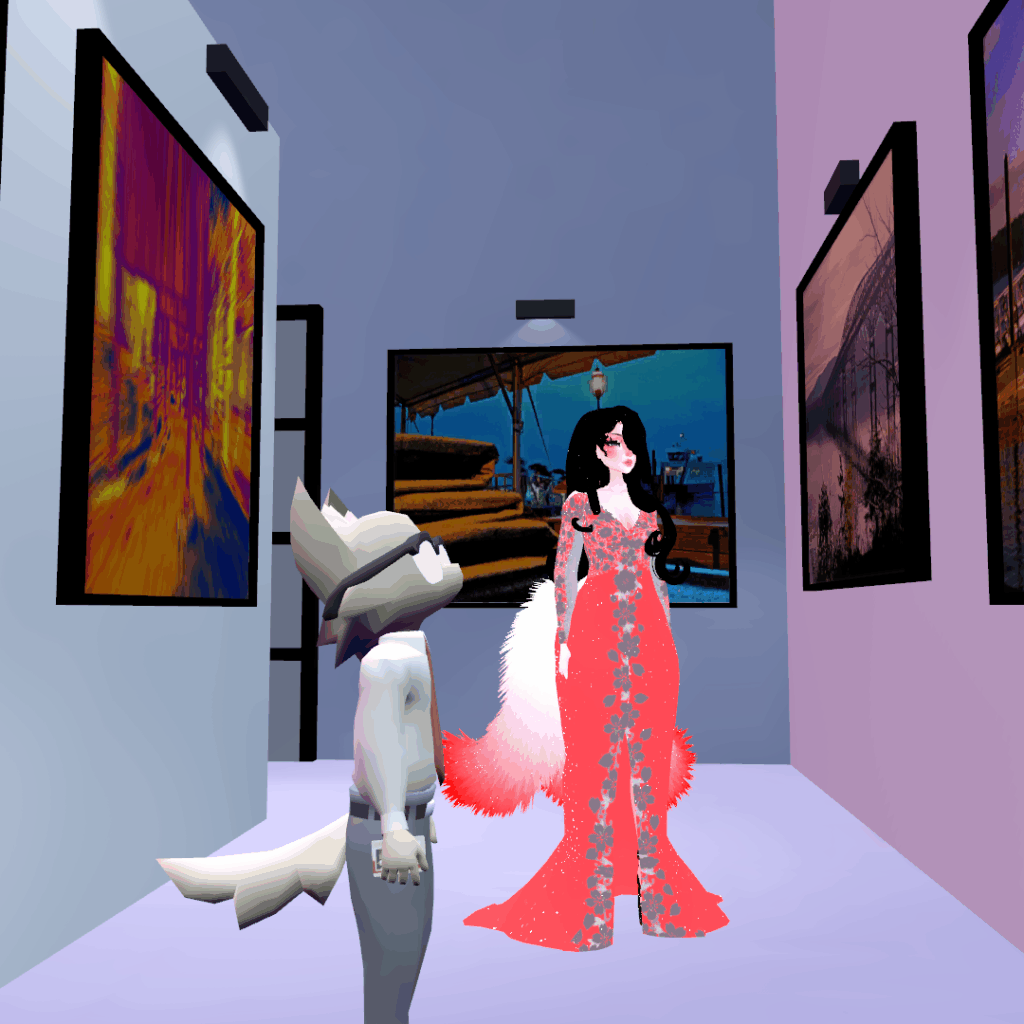
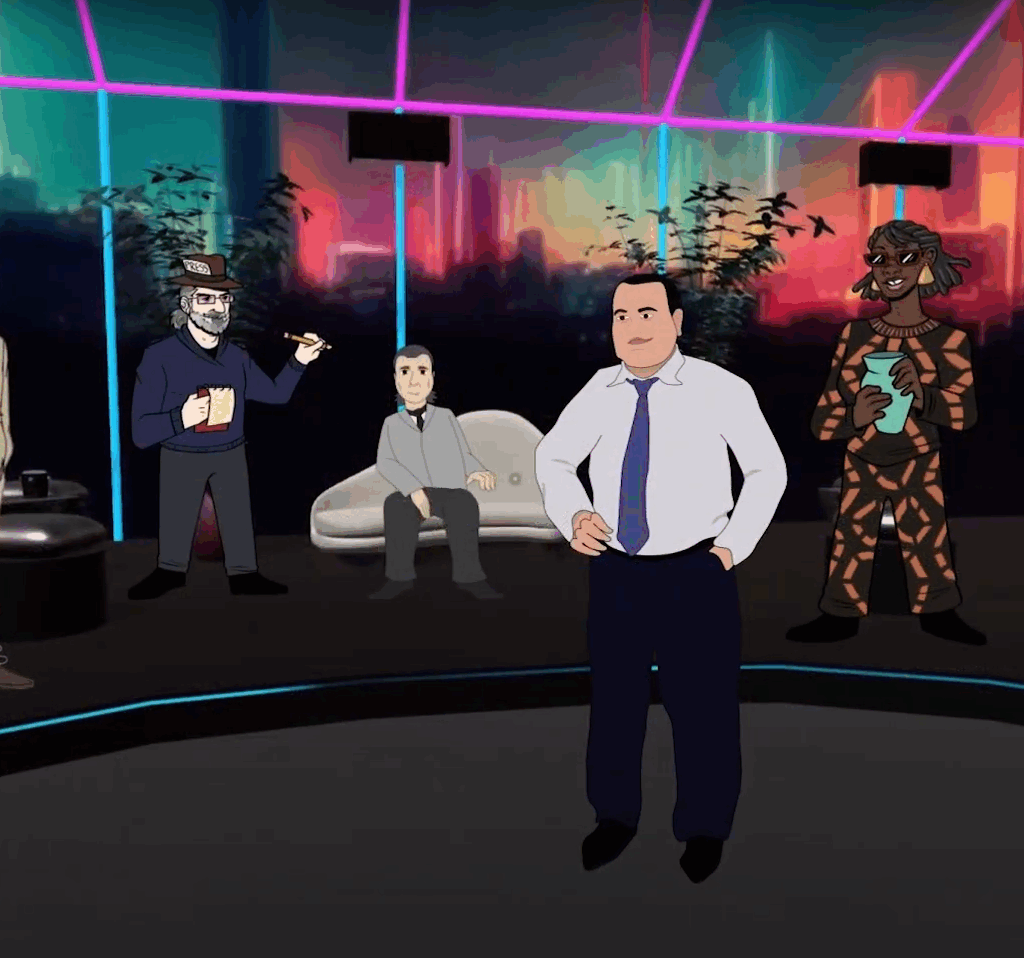
Platforms supporting VR retreats offer multiple ways to participate—voice-only navigation, hands-free controls, or full-body avatars—making it easier for participants with mobility or sensory differences to join. These environments enable voice, text, or gesture interaction, providing flexible ways to engage in group connections.
Customizable avatars allow attendees to represent themselves without revealing their personal identity. Research shows social VR environments reduce barriers and encourage meaningful interaction across diverse communities.
Designing an Inclusive VR Retreat
Here are practical design keys for inclusive nonprofit VR retreats:
- Inclusive Avatars: Offer avatars with mobility aids or expressive gestures to reflect diverse abilities.
- Multi-Sensory Engagement: Utilize captions, audio narration, and visual cues to cater to diverse sensory needs.
- Safe Facilitation Tools: Enable features such as virtual hand‑raising, private breakout rooms, and wellness check-ins.
- Global Connection: Social VR fosters participation across cultures and locations, making space for diverse representation.
Nonprofit Applications of VR for Inclusion
Global organizations are already utilizing virtual reality to amplify the voices of underrepresented individuals and cultivate deeper empathy. A powerful example comes from the International Paralympic Committee, which partnered with Meta to launch an immersive VR experience titled RAW: Emotion Unites Us. This interactive WebXR project features several Paralympians sharing their personal journeys through spatial storytelling and immersive audio. Viewers can experience the world through each athlete’s perspective, helping to bridge understanding across physical and cultural differences.
For nonprofits, this model illustrates how VR can serve as more than just a meeting space—it can become a storytelling tool that increases inclusion, visibility, and emotional impact. At the same time, not every organization has access to Meta-level production tools, platforms like Ferry Godmother Roller Rink offer accessible entry points for immersive retreats that reflect diverse identities and needs.
How to Launch Your First Inclusive VR Retreat
| Step | Action |
|---|---|
| 1 | Select an accessible VR platform with multiplatform access |
| 2 | Offer customizable avatars that represent mobility and sensory differences |
| 3 | Pre-test accessibility features: captions, voice, gestures |
| 4 | Facilitate inclusive activities: breakout rooms, reflections, creative sessions |
| 5 | Collect feedback on accessibility, emotional experience, and belonging |
Why It Matters
Inclusive VR nonprofit retreats go far beyond accessibility checkboxes—they foster a sense of belonging. People who may not be able to attend in-person retreats due to limitations can now participate fully, confidently, and authentically.
These retreats empower all community voices, leading to deeper engagement, loyalty, and community connection.
Ready to create belonging in VR? Explore inclusive retreat design through immersive platforms designed for joy and participation—without barriers—accessible, and transformative connections.