
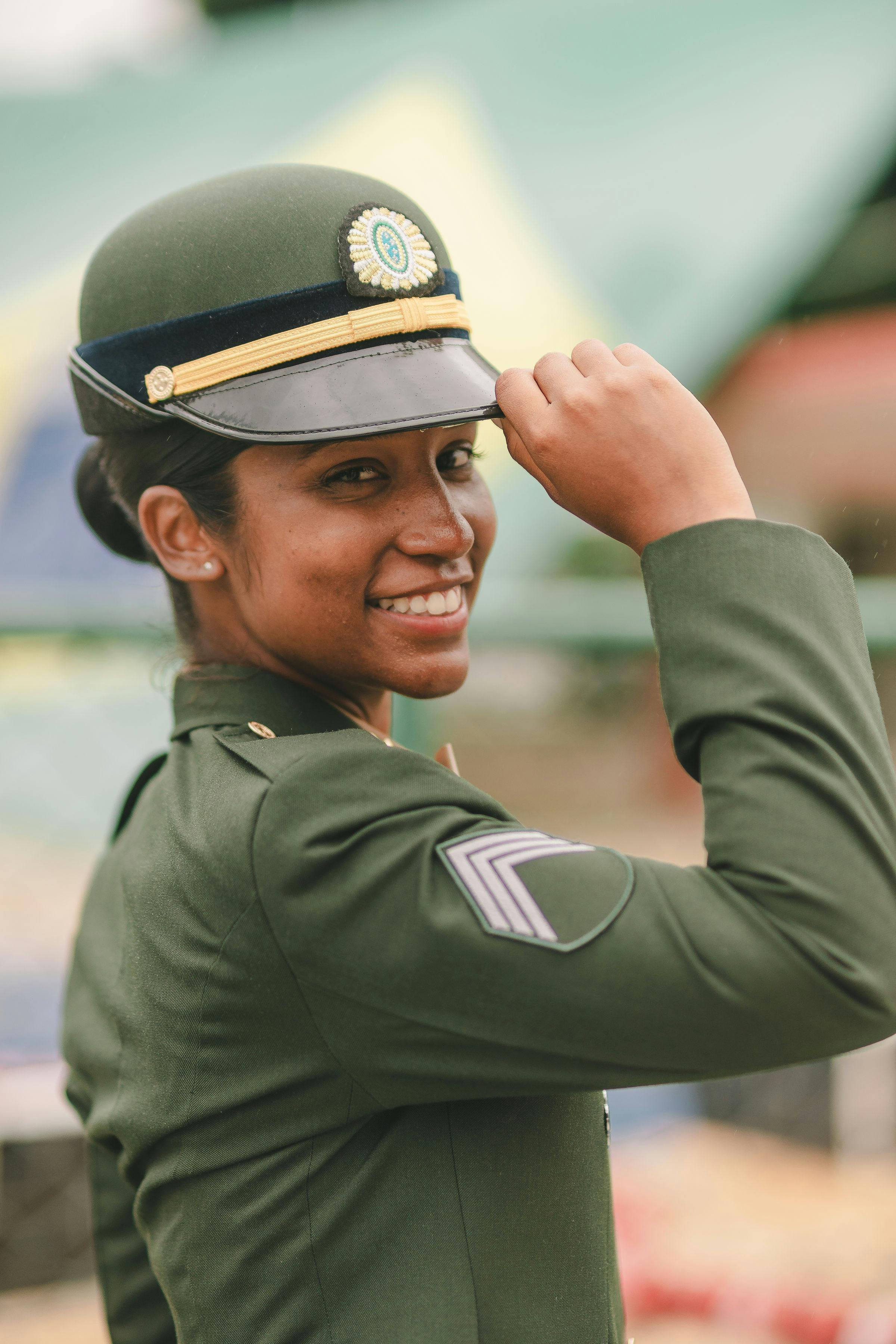
Who raises a child by phone from 6,000 miles away and leads a convoy through hostile terrain in the same year? For more than 100,000 women in today’s U.S. military, the answer is simple: military moms.
In a military force where nearly one in three active-duty women are mothers, the balancing act between battlefield duty and bedtime stories is not just heroic—it’s a daily reality. Despite their service, sacrifices, and strength, these women remain largely invisible in national conversations and even within their own ranks.
Unseen, Underestimated, and Unstoppable
According to the Department of Defense 2023 Demographics Report, over 30% of active-duty women have children. Of those, nearly 45% are single parents or the primary caregivers. These military moms don’t just wear the uniform—they carry the full weight of dual identities: soldier and nurturer.
The military culture is built on rigid schedules and deployment rotations. It often fails to accommodate the real-world responsibilities of parenting. For many military moms, support systems are fragile, mental health challenges are underreported, and guilt is ever-present.
As Army Captain Erika Williams shared in an NPR interview, “When I was deployed, I called home every night. But nothing replaces a hug when your kid is crying. Still, I served, so she doesn’t have to.”
The Military Moms Double Standard
While society often applauds “military dads” for serving and sacrificing, military moms face different questions: “Who’s raising your kids?” “Are you putting your career before your family?” These micro-judgments echo both in civilian life and within the ranks.
A 2022 RAND study found that 71% of active-duty military moms felt they had to prove their commitment more than their male peers. And when it comes to advancement, mothers often face career plateaus due to outdated expectations around family readiness or long-term deployments.
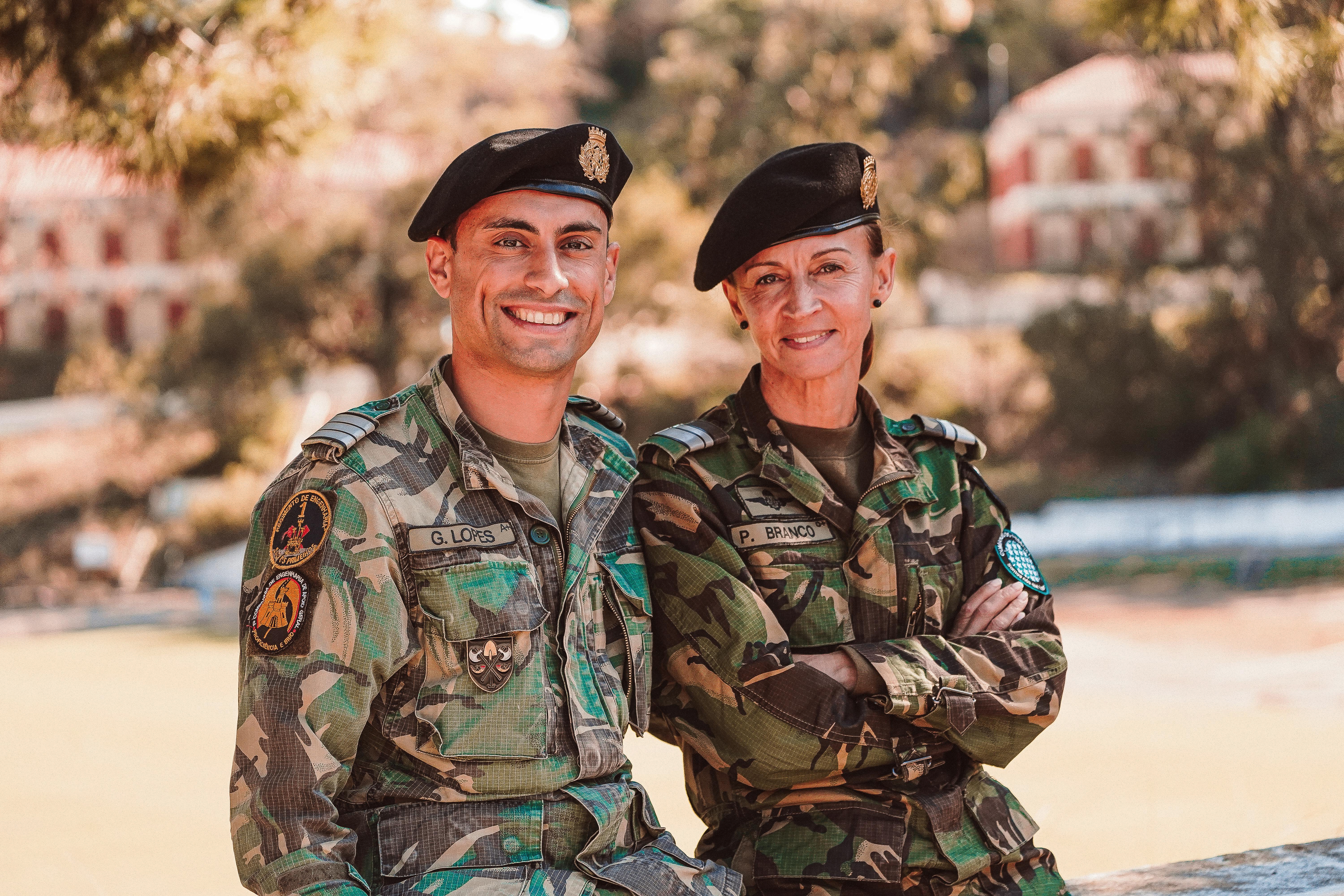
In response to the growing number of military moms, the Department of Defense has made strides to expand maternity leave to 12 weeks, provide additional parental leave for secondary caregivers, and increase access to on-base childcare. However, the implementation of these services varies by command and installation.
A GAO report found that 67% of military families struggle to find childcare that fits their schedule. For single military moms and dual-service families, this can mean hard choices, sometimes leading to early separation from service.
Hope Comes in Camouflage
Despite these hurdles, military moms continue to lead and serve. They advocate for systemic changes, mentor younger servicewomen, and pave the way for future generations. Women like Chief Petty Officer Tanya Thompson, who launched a peer network for Navy mothers, prove that resilience thrives where support is available.
Let’s elevate the voices of military moms and share their stories. They are not just balancing bullets and bedtime—they’re shaping the future of service.